

Junaidu Danladi
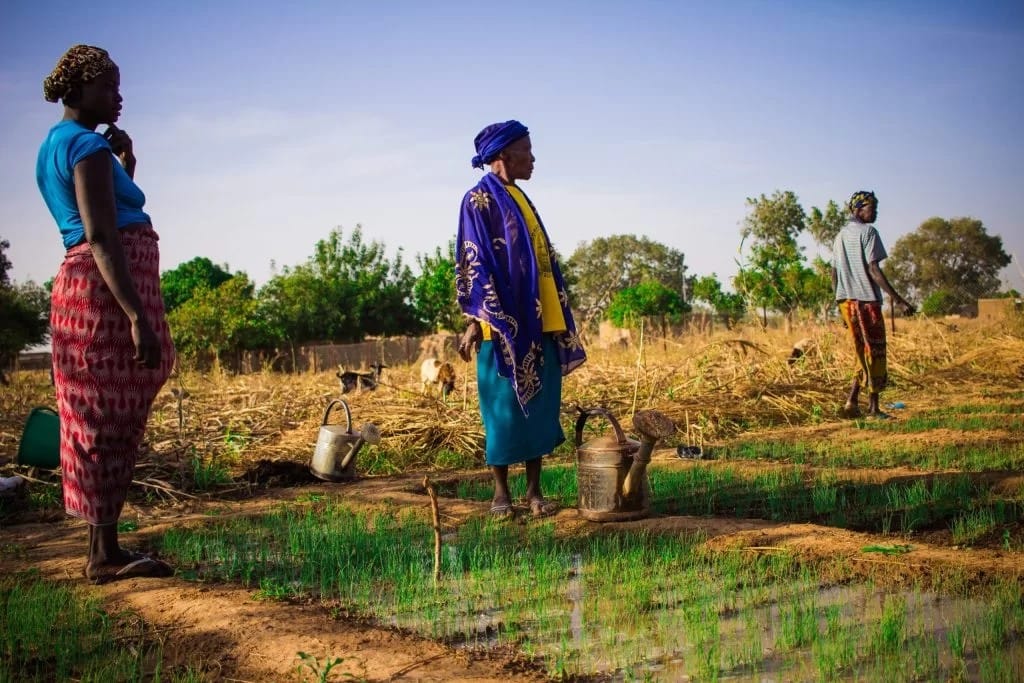
International Day for Rural Women is celebrated on 15th October annually to honour the rural women for their pivotal roles in global development. According to the United Nations, rural women account for about 22% of the global population. They play an important role in the health and wellbeing of their communities. Rural women are facing challenges like higher rates of poverty (as both extreme and multidimensional poverty are higher in rural areas globally), as well as unequal access to education, health and other social services, and employment opportunities. Rural women can also experience gender inequality resulting from discriminatory social institutions, formal and informal laws, social norms and practices.
Rural women play a crucial role in conserving and cultivating biodiversity. They are custodians of natural resources and traditional knowledge. Rural women are central actors in rural health and care systems. Women globally make up 67% of the healthcare workforce and an estimated 70% of community healthcare workers. Community healthcare workers are often the only healthcare workers that rural people can access. Many community healthcare workers are not paid a fair wage. Rural women provide unpaid care work, taking care of children and the elderly.
Rural women also have roles in other domains essential for health, such as water and sanitation services, zoonosis control, and occupational health, among others.
The International Day for Rural Women was instituted by the United Nations General Assembly in 2007, to recognize “the critical role and contribution of rural women in enhancing agricultural and rural development, improving food security and eradicating rural poverty.” The 2024 theme, “Rural Women Sustaining Nature for Our Collective Future: Building climate resilience, conserving biodiversity, and caring for land towards gender equality and empowerment,” highlights the importance of role that the rural women can play in the global development.
Indeed, women for centuries had played significant roles in African development. Studies on African economy have indicated the critical roles played by the rural women in different sectors. Specifically in Kano, women had contributed to the societal development in the social, economic and political endeavors. Economically, rural women had controlled large share of the rural either directly or by proxy (fronting). They actively participated in the major economic sectors like farming, livestock production and weaving. In these sectors, they were involved in the production, processing and distribution. For instance, the wives and other family members of the Kano’s leading merchants actively participated in trading mostly dealing with their womenfolk.
However, the recent crises ravaging most parts of the northern Nigeria have adverse effects on the rural women. In particular, the Boko Haram insurgency in the North east and rural banditry in the North west have disrupted the rural economies of the affected areas which forced many women to abandon their areas and moved to the cities. In the cities, they constitute a serious public nuisance as they became stranded without decent shelter, food, medication and security. To survive in this displaced condition, they have engaged in menial jobs and other dubious activities like ‘begging’ and stealing.
The best way is to empower the rural women is to ensure adequate security that will provide enabling environment for them to strive in their respective areas.
Junaidu Danladi can be reached via: junaiduromi@gmail.com
