

By Our Correspondent
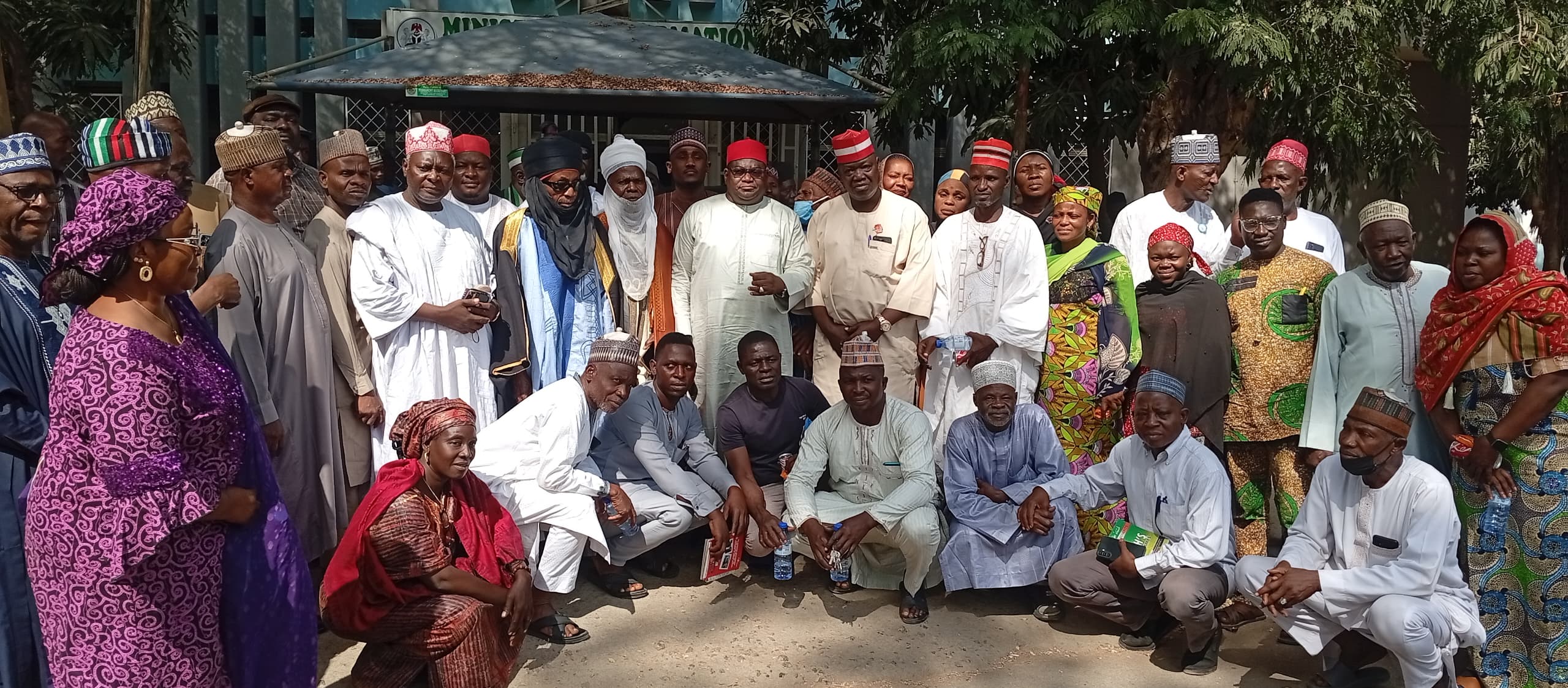
The Kano State Government has held a stakeholders’ engagement meeting with leaders of North Central communities resident in Kano State, as part of its sustained efforts to strengthen security, promote inclusive development, foster peaceful coexistence, and deepen collaboration with all communities living in the state.
The engagement, convened by the Ministry of Information and Internal Affairs on behalf of the State Government, was aimed at briefing the communities on the government’s ongoing efforts to enhance the security situation in the state, reassuring them of its commitment to the protection of lives and property, and soliciting their continued support in safeguarding peace and stability across Kano State.
Addressing the leaders of the North Central communities, the Commissioner for Information and Internal Affairs, Comrade Ibrahim Abdullahi Waiya, emphasized that the Ministry remains the official gateway for engagement between the government and all communities, associations, and organized groups operating within the state.
He noted that the Kano State Government recognizes the North Central communities as an integral part of the state, commending them for their peaceful conduct, respect for law and order, and positive contributions to the social and economic development of Kano State.
The Commissioner reiterated that the Kano State Government does not regard any group living within the state as strangers, stressing that many residents from the North Central zone were either born in Kano or have lived and built their livelihoods in the state over the years, thereby making Kano their home. According to him, the government considers all residents as stakeholders and partners in progress, irrespective of ethnic, cultural, or religious backgrounds.
Comrade Waiya assured the communities that the Kano State Government is fully on top of the security situation, explaining that recent isolated security incidents around border areas do not in any way suggest that Kano is unsafe.
He disclosed that the government has continued to strengthen the state’s security architecture through the establishment of permanent Joint Task Force bases, the provision of logistics and operational vehicles to security agencies, and the deployment of additional security personnel across the state.
He further stated that the neighbourhood watch initiative inaugurated by Governor Abba Kabir Yusuf is designed to complement existing security efforts and further enhance community-based security.
The Commissioner also highlighted ongoing and planned infrastructure projects in areas largely populated by North Central communities, including major road constructions and other development initiatives, as further evidence that no community is excluded from the state’s development agenda. He added that additional major projects have already been approved and would soon commence.
While appreciating the economic, commercial, and social contributions of the North Central communities, the Commissioner appealed to them to continue supporting security agencies with timely and credible information, promote peace within their communities, and avoid the spread of misinformation capable of undermining peace and stability.
He reaffirmed that peace and security in Kano State remain a shared responsibility and called on all tribes and communities living in the state to continue working closely with the government to ensure that Kano remains peaceful, secure, and conducive for living, business, and investment.
In his remarks, the Special Adviser on Northern Inter-Community Affairs to Governor Abba Kabir Yusuf, Andrew Ma’aji, commended the Kano State Government for its inclusive approach to governance and sustained engagement with communities. He assured the government of the continued support and cooperation of North Central communities in maintaining peace, security, and harmonious coexistence in the state.
He noted that Kano State remains a peaceful and viable environment for residence and investment, adding that members of the North Central communities would continue to contribute meaningfully to the socio-economic development of the state.
