

By Muzammil Dalha Yola
The Africa Cup of Nations (AFCON) is a prestigious international football tournament organized by the Confederation of African Football (CAF). It is the most significant football event on the African continent and is held every two years, featuring the best national teams from across Africa.
The upcoming AFCON edition is scheduled to take place in Cote d’Ivoire in 2023, but rescheduled to take place in 2024. Cote d’Ivoire, also known as Ivory Coast, is a country located in West Africa renowned for its passion for football. This will be the third time the country is hosting the tournament, after previously hosting it in 1965 and 1984.
Here are some key details about the Africa Cup of Nations Cote d’Ivoire 2023:
1. Dates: The tournament is expected to span over a period of approximately four weeks. The opening match scheduled for Saturday, 13 January, where the hosts will face Guinea-Bissau at the Alassane Ouattara Stadium in Abidjan.
2. Participating Teams: The Africa Cup of Nations typically includes 24 national teams from different African countries. These teams will go through the qualification process, with the top teams from each group advancing to the final tournament.
3. Venues: Cote d’Ivoire will host matches in various cities across the country. The matches will be held in six stadiums across five host cities, reflecting Cote d’Ivoire’s commitment to sports infrastructure development. The cities of Abidjan, Bouake, Korogho, San Pedro and Yamoussoukro.
4. Format: The tournament will follow a format consisting of group stages, knockout rounds, and a final. In the group stage, the 24 teams will be divided into six groups of four teams each. The top two teams from each group, along with the best four third-placed teams, will proceed to the knockout rounds.
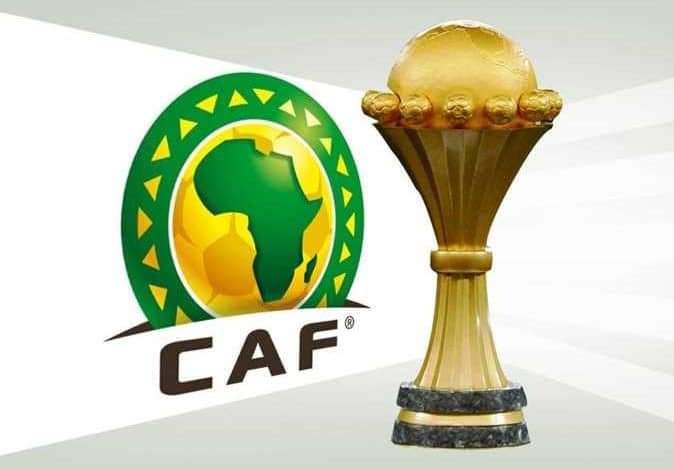
5. Trophy: The tournament’s winning team will be awarded the Africa Cup of Nations trophy, which is one of the most coveted prizes in African football. Egypt has won the tournament a record seven times, followed by Cameroon with five titles.
6. Expectations: The Africa Cup of Nations Cote d’Ivoire 2023 is anticipated to be a highly competitive tournament, showcasing the best African talent. Many African football stars who play for renowned clubs around the world are expected to represent their respective national teams in the tournament.
7. Impact: Hosting the Africa Cup of Nations brings significant economic and social benefits to the hosting country. It boosts tourism, creates job opportunities, and enhances the country’s infrastructure to accommodate the influx of tourists and international participants.
8. Broadcasting: The tournament is broadcasted globally, allowing fans from all over the world to witness the intense matches and passionate atmosphere. Details regarding the broadcasting rights and channels will be announced closer to the tournament.
9. Tournament Favourites: Senegal, the current champions, are considered favorites despite key players Sadio Mane, Kalidou Koulibaly and Edouard Mendy moving to the Saudi Pro League. Other strong contenders include Morocco, Nigeria, Algeria and Cote d’Ivoire. Morocco, fresh from reaching a World Cup semi-final, seeks Afcon glory, while Ivory Coast remains a force to be reckoned with.
10. Côte d’Ivoire vs. Nigeria: A high-stakes encounter in Group A on 18 January at the Alassane Ouattara Stadium, Abidjan (17:00 GMT).
11. Senegal vs. Cameroon: Group C heavyweight clash on 20 January at the Charles Konan Banny Stadium, Yamoussoukro (14:00 GMT)
12. Fifteen different countries have won the African Cup of Nations in history, with Egypt, Cameroon, Ghana, and Nigeria winning the most titles.
1 – Egypt 🇪🇬 7x
2 – Cameroon 🇨🇲 5x
3 – Ghana 🇬🇭 4x
4 – Nigeria 🇳🇬 3x
5 – Côte d’Ivoire 🇨🇮 2x
6 – Algeria 🇩🇿 2x
7 – DR Congo 🇨🇩 2x
8 – Zambia 🇿🇲 1x
9 – Sudan 🇸🇩 1x
10 – Tunisia 🇹🇳 1x
11 – Senegal 🇸🇳 1x
12 – Ethiopia 🇪🇹 1x
13 – Morocco 🇲🇦 1x
14 – South Africa 🇿🇦 1x
15 – Congo 🇨🇬 1x
The Africa Cup of Nations Cote d’Ivoire 2023 promises to be a thrilling event, showcasing the immense talent and passion for football that Africa has to offer. It is an opportunity for countries to unite, celebrate, and compete for the title of African champions.
