

By Junaidu Danladi
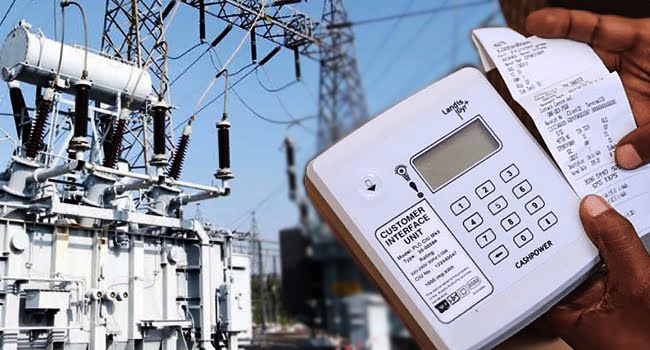
Bandisation here is used to refer to the grouping of electricity consumers based on their perceived electricity consumption for the purpose of supply and tariff collection.
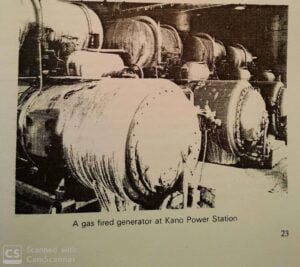
The history of electricity supply in Nigeria can be traced to 1890s, when the electric light was first used in colonial Lagos. The supply was later extended to other provinces and major towns like Ibadan, Kano, Jos, Enugu, Abeokuta, Calabar and Kaduna. The provision of electricity and other social services was highly influenced by the colonial segregation policy. Thus, in some provinces like Kano, the European residential areas and public institutions were given more priority. This was not surprised at all, because provision of social amenities was regarded as a great source of pride to colonial regimes!
Segregation or marginalisation in electricity supply continued to post-colonial period; was even institutionalised. The areas occupied by the new emergent elites were prioritised. This became more manifested from the 1980s, when there was electricity scarcity in the midst of high demand. Since the introduction of Structural Adjustment Programme (SAP), the situation continued to deteriorate from bad to worse.
The government sought commercialisation of the power sector as the only viable option to revamp the sector. The process that started in the 1990s was only actualised in 2005, when the Electric Power Sector Reform Act was enacted. The Act led to the creation of Power Holding Company of Nigeria (PHCN) and Nigerian Electricity Regulatory Commission (NERC).
In 2010, the power sector was divided into three: generation handles by the generation companies (Gencos), transmission by Transmission Company of Nigeria (TCN) and distribution companies (Discos). With this, many Nigerians hoped to see more improvement and efficient electricity supply. Despite the spending huge amount of money, there was no significant expansion in term of generation, transmission and distribution.
The distribution companies authorised by NERC revived the old method discriminating customers by grouping them based on Bands. Customers in Band A usually enjoy high supply and expectedly pay higher. Normally increase in electricity tariff is expected to affect customers in Band A more especially the metered customers. Recently, there was hike in electricity tariff by 300 percent effective from 1st April, 2024.This huge increase was said to be applied to only customers in Band A, who according NERC usually enjoy 20-plus hours electricity supply daily. Customers in other bands were happy that the increase would not affect them.
However, the increase was exorbitant coming at a time when most Nigerians were facing severe high cost of living. On the other hand, the government said that the new tariff was aimed at eliminating the annual electricity subsidy of N1.14 trillion.
However, eliminating electricity subsidy like in petroleum sector, would not change government spendings and better electricity supply.
In fact, many households and commercial consumers have started paying higher bills. This would definitely worsen the condition of Nigerians in the post-subsidy regime.
Junaidu can be reached at junaiduromi@gmail.com
