

By Our Correspondent
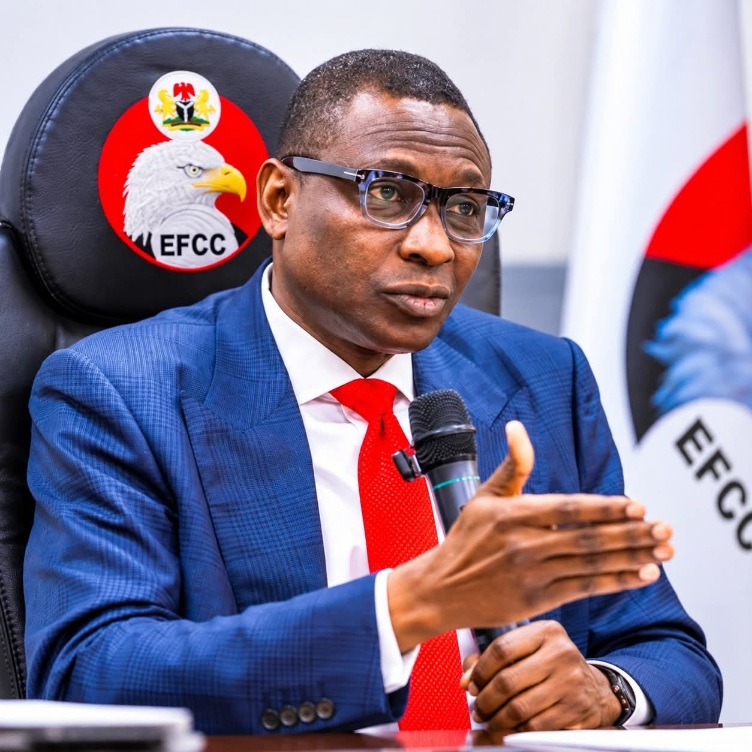
The Chairman of the Economic and Financial Crimes Commission (EFCC), Olanipekun Olukoyede, has expressed concern over the number of pastors, imams and other religious figures appearing in the commission’s financial crime investigations.
Olukoyede spoke at the 2026 Second Council Meeting of the Nigeria Inter-Religious Council (NIREC) in Abuja, held under the theme, “Shared Sacred Flourishing in Nigeria.”
The EFCC chairman said the commission’s case files contained several investigations involving individuals who held prominent religious titles, adding that some of the cases had resulted in convictions and prison sentences.
He questioned the emphasis placed on titles such as pastor, imam, reverend and bishop when individuals bearing them are accused of criminal offences.
According to him, a person’s conduct should carry greater weight than the religious titles attached to their name.
Olukoyede said genuine religious leadership should be reflected in integrity, accountability and adherence to the values being preached to followers.
He referred to the biblical teaching that people are known by their “fruits”, rather than by their appearance or titles.
The EFCC chairman also recounted an encounter with a suspect who appeared before the commission for questioning.
He said the man, when given an opportunity to introduce himself, listed several religious and academic titles, including Reverend, Doctor and Bishop.
Olukoyede said he redirected the discussion to the matter under investigation, stressing that his concern was whether funds had been improperly taken.
He said the investigation subsequently led to the suspect facing five charges over alleged misappropriation of funds.
The EFCC chairman used the incident to caution religious leaders against assuming that their status would shield them from investigation or prosecution.
He said the commission would not allow religious affiliation to influence its handling of financial crime allegations.
Olukoyede urged religious leaders to ensure that their conduct was consistent with the principles they preached to their congregations.
While religious titles may indicate a person’s position within a faith community, he said, they could not substitute for integrity, accountability and compliance with the law.
(Source: Nigerian Tribune)
