

By Naziru Idris Ya’u
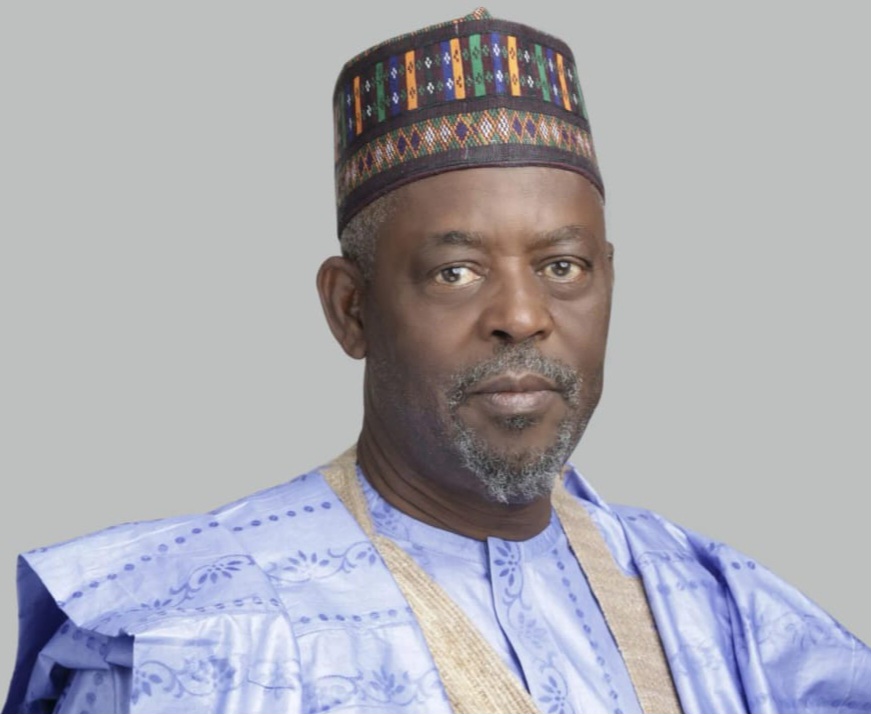
Residents of Gaya, Ajingi, and Albasu Local Government Areas in Kano South, Kano State, urge former Rep. Hon Abdullahi Mahmud Gaya (‘Kudi’) to contest the upcoming general elections and represent the constituency in the House of Representatives.
Electorates in the three local government area now yearn for the former Rep. Member feeling the current member has distanced himself from them. The saying ‘whoever remembers last year won’t find joy in the present’ rings true here. Residents nostalgically recall the impactful representation under Hon Kudi, making the current situation even tougher.”
As a reporter, my findings show residents across Gaya, Ajingi, and Albasu admire the ex-lawmaker, despite my non-partisan stance as a journalist covering Sallah festivities in the area, residents I’ve spoken to express a sense of loss regarding Hon Kudi’s absence.
Resident Sani Musa praise Hon Kudi’s grassroots efforts, citing his financial support for women and youths, aid to farmers, and contributions to education, saying his projects are widespread across Gaya, Ajingi, and Albasu from red-brick school buildings to other developments, his impact is still visible.
Among such projects is a girls’ school he established and named after his mother Nafisa Mahmud Government Girls’ Secondary School—an initiative said to be especially close to his heart. According to residents, he often remarked that even if it were his only achievement in politics, it would still be enough to earn his gratitude to God, reflecting his deep belief in the transformative power of education.
Water vendors from Bangashe village, now in Hotoro, unanimously want Hon Kudi back in office. They regret their past voting decision and vow not to repeat the ‘mistakes.In Ajingi, residents remember Hon Kudi’s consistent community visits condolences, ceremonies, or social ties. His engagement continued even after office.”
In Ajingi, particularly among youths active on social media, similar sentiments have emerged. Many have expressed dissatisfaction with the current representation, noting that it falls short of the standard set by the former lawmaker.
Frequent visits by constituents to his known residences including his family’s house in Gaya, his guest reception home along Hotoro Eastern Bypass Road, and his family house—are also cited as evidence of the enduring bond between him and the people.
Observers describe his style of representation as people-oriented, noting that he often mingled freely with ordinary citizens and shared meals with them—qualities they say set him apart from many contemporary politicians. Supporters also highlight his readiness to defend the image and dignity of his constituents in the Green Chamber of the National Assembly.
Another enduring legacy often recalled is his unwavering commitment to opening doors for young people, both at the federal level and within Kano State. Residents speak with heartfelt gratitude of how his influence created pathways for many to secure their first job and support roles that became stepping stones to brighter futures.
As conversations about leadership and representation continue across Kano State, voices from Gaya, Ajingi, and Albasu reveal a deep-seated respect: the former lawmaker’s tenure is still remembered not just as a period of service, but as a standard of integrity and opportunity against which many measure public leadership today.
