

By Our Correspondent
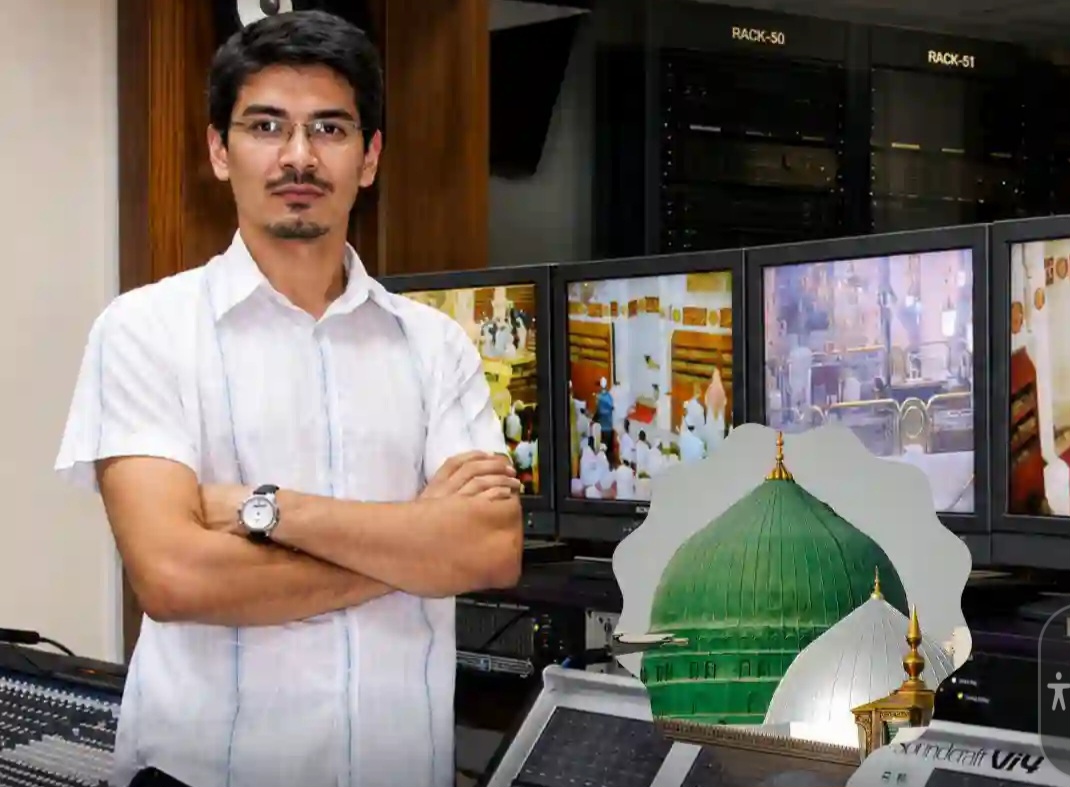
In 1997, a Turkish audio engineer, Ahmad Tekin Topuzdag, travelled to Madinah for Umrah and noticed a problem inside Masjid an-Nabawi: the sound was unclear, with excessive echo and feedback.
Concerned about the quality of the audio, Topuzdag approached the mosque’s administration and was given a section of the mosque to test his ideas.
The results were reportedly so noticeable that he was subsequently asked to help improve the entire sound system.
What began as a solution to a problem he encountered during an Umrah trip eventually became a 10-year project.
Over the next decade, Topuzdag worked on a comprehensive upgrade of the audio system at Masjid an-Nabawi and also contributed to improvements at Masjid al-Haram.
His work involved replacing microphones, cables, speakers and other equipment, while tuning the system to suit the voices of individual imams and muezzins.
He also helped reduce echo and feedback and divided the mosque into seven audio zones to improve sound distribution.
Additional microphones were installed to ensure that the imam’s voice could be heard clearly throughout the different stages of the prayer.
Following the upgrades, the sound system reportedly produced clearer audio and covered a much wider range of frequencies.
Before leaving Saudi Arabia, Topuzdag also trained Saudi engineers who later went on to manage audio systems in mosques across the Kingdom.
A journey that began with a simple observation during an Umrah trip ultimately turned into a decade-long mission to improve the clarity of the call to prayer, Quran recitation and sermons in the two Holy Mosques.
