

By Junaidu Danladi
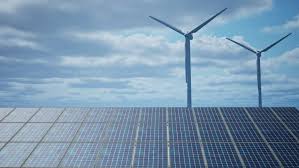
26th January was declared in 2023 by the United Nations General Assembly as the International Day of Clean Energy. The Day also marks the founding date of the International Renewal Energy Agency (IRENA) that was formed on 26th January 2009. Energy especially clean one is very essential in the development of any nation. The aim of the day is to create awareness on the importance of clean energy for a better and environment-friendly world. Sustainable Development Development Goal 7 targets achieving affordable and clean for all by 2030.
The theme of 2025 day is “Clean Energy for a Brighter Future” focusing on the need for accelerating the transition to cleaner world by promoting universal access to clean and affordable energy. The theme also emphasis the need for immediate action to ensure clean energy for all especially in a world that is characrtise by energy crises.
However, the world is facing series of energy crises which would certainly hinder achieving affordable and clean energy. Currently about 1 billion are lacking access to clean energy world-wide. The situation is more prevalence in Africa as majority of Africans could not have access to clean and reliable energy. It was estimated that over 600 million Africans lack access to electricity. Nigeria has one of the world’s largest absolute energy deficit as about 90 million people are lacking access to electricity. Expectedly, inadequate energy greatly affects the overall economic growth, industrialisation and restrict access to basic essential services like health and education. Many factors have contributed to the energy crises. The factors include underfunding, low investment, poor management, corruption and rapid population growth.
Junaidu can be reached via this email: junaiduromi@gmail.com
