

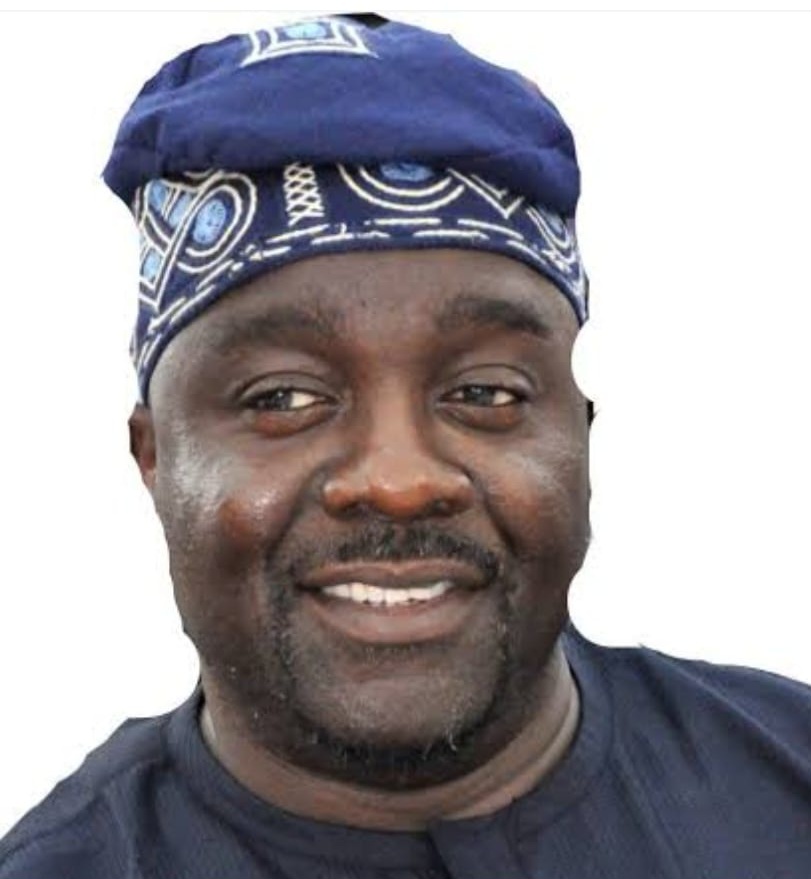
By Phemmy Adetula (FSWAN)
In the evolving narrative of Nigerian sports, Bukola Olopade’s name continues to stand out for vision, structure, and transformative leadership.
As Director-General of the National Sports Commission (NSC), Olopade—popularly known as Ozogula—has emerged as a master strategist, steadily repositioning the nation’s sports ecosystem through deliberate reforms, innovation, and a deep understanding of both grassroots and elite sports development.
Olopade’s journey is rooted in humble beginnings, driven by passion, resilience, and a clear sense of purpose.
His early exposure to sports administration and youth development laid the foundation for a career spanning public service, private enterprise, and international sports management. From the outset, he demonstrated a rare ability to turn challenges into opportunities—an attribute that continues to define his leadership style.
His rise to prominence gained momentum during his impactful tenure as Commissioner for Youth and Sports in Ogun State, where he served two terms and established a solid foundation for modern sports governance.
Under his leadership, Ogun State successfully hosted the National Sports Festival, achieving an unprecedented financial surplus—widely regarded as a first in the history of the Games in Nigeria. This milestone positioned the state as a model for sports development nationwide.
Beyond public service, the Osi Asoju Oba of Egbaland distinguished himself in the private sector as a visionary sports entrepreneur.
Through Nilayo Sports Management, he pioneered world-class sporting events, particularly road races across Nigeria. Most notably, he transformed the Access Bank Lagos City Marathon into a globally recognized competition with top-tier international certification—an achievement that has significantly boosted tourism, commerce, and Nigeria’s global sporting profile.
Renowned for his ability to attract corporate sponsorships and build sustainable sports business models, Olopade has consistently bridged the gap between sports and economic development. His achievements include advocating for the development of four standard stadia in Abeokuta, Ilaro, Ijebu-Ode, and Sagamu, as well as positioning Ijebu-Ode as a host city for matches during the FIFA U-17 World Cup. From driving football sponsorship initiatives to organizing marathon events and serving as Chairman of the Local Organizing Committee for the 2024 National Sports Festival, he has demonstrated an unwavering commitment to excellence and innovation.
In November 2024, President Bola Ahmed Tinubu appointed Olopade as Director-General of the NSC, entrusting him with the mandate to reset, refocus, and relaunch Nigerian sports. He assumed office with clarity of vision and a results-driven agenda. Under his leadership, the Commission has witnessed a wave of reforms anchored on professionalism, athlete welfare, and institutional integrity.
At the core of his strategy is the “Athletes First” policy, which prioritizes training support, funding, and proper preparation for international competitions.
His collaborative approach—working closely with NSC Chairman Mallam Shehu Dikko—has become a defining feature of his leadership. This partnership has fostered unity across sports federations and stakeholders, reduced internal conflicts, and promoted a shared vision for sustainable growth.
Olopade’s journey from modest beginnings to national leadership is a compelling testament to vision, hard work, and strategic thinking.
With a clear roadmap and unwavering commitment, he is not merely administering Nigerian sports; he is redefining it as a powerful tool for national development, youth empowerment, and economic growth, in alignment with the Renewed Hope Agenda.
As Nigeria embraces a renewed sporting vision, one thing remains certain: the master strategist is firmly at work—and the results are already speaking for themselves.
