

By Auwalu Musa Yola
In a renewed effort to promote children’s rights and well-being, the United Nations Children’s Fund (UNICEF), in collaboration with the National Orientation Agency (NOA), the National Population Commission (NPC), and the National Identity Management Commission (NIMC), has launched a one-day awareness campaign on the importance of birth registration for newborns across the Gwarzo Zone.
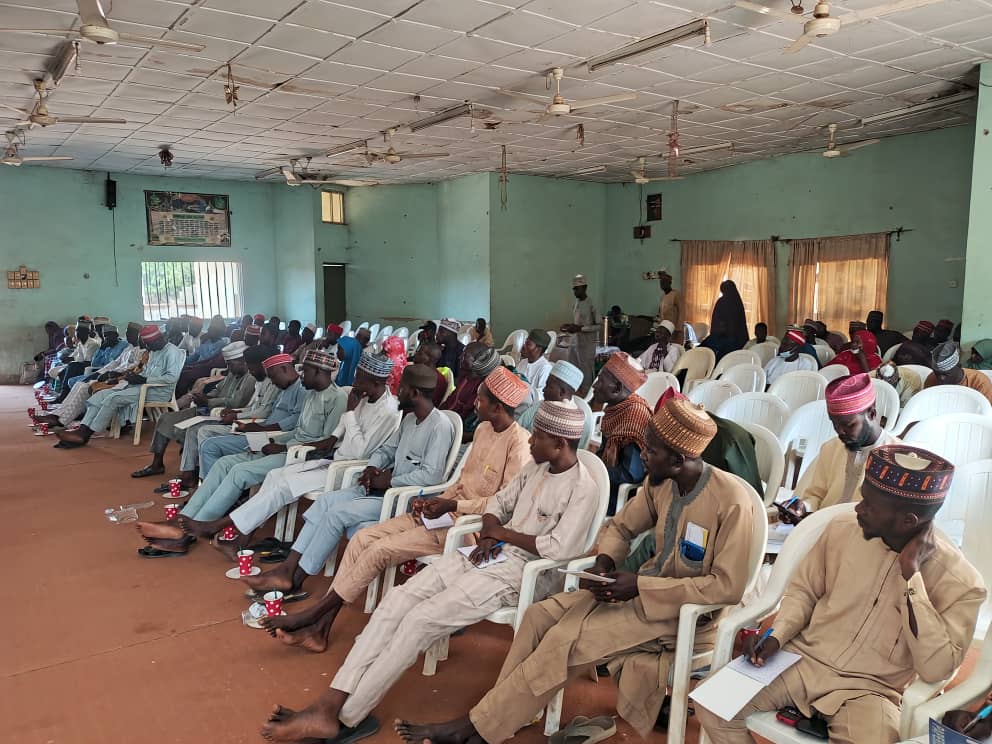
The event brought together top officials and key stakeholders from Gwarzo, Kabo, Rogo, Karaye, and Shanono Local Government Areas, focusing on sensitizing parents and caregivers about the crucial role of birth registration in safeguarding children’s rights and securing their future.
This campaign is part of ongoing initiatives by the government and UNICEF aimed at strengthening child protection systems and ensuring access to essential social services, particularly in rural communities across Kano State.
This was disclosed in a press release issue and signed Auwalu Musa Yola Zonal Information Officer, Gwarzo Zone Kano State Ministry of Information
During the flag-off ceremony, Alhaji Usman Yahaya of SBC Health Consultant, a UNICEF partner, emphasized that birth registration represents the first legal recognition of a child’s existence and serves as a gateway to fundamental rights such as health, education, and protection.
He noted that many children in rural areas still lack official birth certificates, putting them at risk of exclusion from government programs and development opportunities.
According to him, “A birth certificate is not just a piece of paper; it is the key that grants a child protection, identity, and the right to a better future. Every child deserves to be counted and recognized,” he said.
Similarly, Malam Sadiq Abubakar Lawal, representing the National Population Commission (NPC), underscored the importance of community participation in achieving effective birth registration.
He called on traditional rulers, religious leaders, and community heads to champion awareness efforts to ensure that no child is left unregistered.
He further explained, “Population data begins with birth registration. Without it, it becomes impossible to plan for equitable development and fair distribution of national resources.”
The event was attended by key stakeholders from all five local governments within the zone, including the Secretary of Gwarzo Local Government, Alhaji Sunusi Abdullahi Getso, information officers, NOA officials, women development officers, representatives from the health sector, and civil society organizations—all of whom reaffirmed their commitment to supporting this important initiative.
UNICEF and its partners also urged parents to ensure that every newborn is registered within 60 days of birth, stressing that timely registration guarantees each child’s right to identity, protection, and access to life opportunities.
At the end of the event, participants engaged in an interactive session featuring questions and answers, where they shared ideas and recommendations on how to further strengthen birth registration efforts across the zone.
In addition, attendees were divided into small working groups to develop practical strategies for implementing the lessons learned at the grassroots level. This exercise aimed to ensure that every participant understood their role and could effectively promote birth registration within their respective communities.
